In 2026, “Dracula: A Love Tale” has captured the imagination of audiences worldwide, offering a fresh perspective on the timeless story of love, immortality, and darkness. Unlike traditional vampire tales, this cinematic and literary experience focuses on the emotional journeys of its characters, intertwining romance, tragedy, and moral dilemmas. For viewers and readers trying to understand the depth of the story, knowing the characters and their arcs is essential. This guide explores each major character, revealing their personalities, motivations, and evolution in a way that helps fans, researchers, and newcomers navigate the 2026 interpretation of the Dracula saga.
Dracula A Love Tale Characters Timeline Overview
| Character | Role | Key Achievements | Emotional Arc |
|---|---|---|---|
| Count Dracula | Protagonist | Mastery of powers, ethical introspection | From predatory to loving and remorseful |
| Mina Harker | Heroine | Emotional resilience, strategic thinking | From cautious to empowered and compassionate |
| Jonathan Harker | Protector | Loyalty, tactical actions | From passive to proactive and morally challenged |
| Lucy Westenra | Tragic figure | Evokes emotional stakes | From innocent to tragically transformed |
| Dr. Van Helsing | Strategist | Vampire expert, moral guidance | From detached expert to ethically conflicted mentor |
| Renfield | Human conduit | Demonstrates psychological effects of power | From obsessive follower to tragic symbol |
Count Dracula: The Tormented Immortal
Count Dracula, the titular character, remains a symbol of allure and dread. In this adaptation, Dracula is portrayed not just as a predatory vampire but as a deeply conflicted figure yearning for love and redemption. His centuries-long life has been marked by both grandeur and loneliness, creating a complex personality that oscillates between charm and menace.
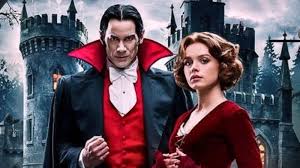
Dracula’s achievements in the storyline are not worldly but existential: mastering his vampiric powers while grappling with the ethical consequences of immortality. Over the centuries, he has amassed significant wealth, built shadowy empires, and cultivated a network of loyal followers. However, his true milestone in the tale is his evolving relationship with the story’s heroine, which pushes him toward a more humane and emotionally vulnerable state.
In terms of character depth, Dracula in this 2026 adaptation has received praise for showing remorse and emotional complexity, making him a character that audiences empathize with rather than fear.
Mina Harker: The Brave and Compassionate Heroine
Mina Harker, historically known as a symbol of innocence, is reimagined in this love tale as a courageous, intelligent, and empathetic woman. Her character arc is central to the narrative, as she confronts not only the supernatural dangers posed by Dracula but also the moral complexities of loving an immortal being.
Mina’s achievements in the story are largely emotional and intellectual. She demonstrates leadership, strategic thinking, and emotional resilience in her interactions with Dracula and other characters. Her ability to see beyond Dracula’s monstrous exterior to the soul within is what drives the central love story. This portrayal highlights 2026 storytelling trends that favor empowered, nuanced female characters.
Jonathan Harker: The Loyal Protector
Jonathan Harker serves as both a narrative anchor and a foil to Dracula’s dark allure. In this adaptation, he is more than a passive victim; he evolves into a determined protector who grapples with jealousy, love, and moral responsibility.
Jonathan’s achievements include uncovering Dracula’s vulnerabilities, supporting Mina through her emotional journey, and balancing his own human desires with the story’s supernatural challenges. His character highlights themes of loyalty and courage, illustrating how love and duty often intersect in complex ways.
Lucy Westenra: Innocence and Tragic Transformation
Lucy Westenra is one of the story’s most poignant characters. In “Dracula: A Love Tale,” Lucy embodies innocence, charm, and vulnerability. Her transformation from a vivacious young woman into a victim of vampirism serves as a stark reminder of the dangers lurking in the story’s world.
Lucy’s timeline in the narrative is brief but impactful, emphasizing the emotional stakes for both Dracula and the human characters. Her tragic arc reinforces the story’s exploration of life, death, and the fine line between love and obsession.
Dr. Abraham Van Helsing: The Intellectual Strategist
Dr. Van Helsing is the story’s moral and intellectual guide. In this adaptation, he retains his role as a vampire expert and strategist but is given more depth and personal stakes. He struggles with the ethical dilemmas of hunting Dracula, especially when Dracula’s love for Mina complicates the traditional villain-hero dynamic.
Van Helsing’s achievements are both tactical and ethical: he develops innovative methods to confront vampires, mentors other characters, and navigates complex emotional terrains. His character adds philosophical weight to the story, prompting audiences to consider the costs of intervention and justice.
Renfield: The Human Nexus of Madness
Renfield remains a memorable character in 2026 adaptations, serving as the human link between the mortal world and Dracula’s supernatural influence. In this version, his role is expanded to explore themes of obsession, loyalty, and psychological fragility.
Renfield’s achievements are less heroic and more thematic. He demonstrates the psychological effects of proximity to great power and the consequences of unbalanced desire. His arc is essential for understanding the ripple effects of Dracula’s presence on the human psyche.
Supporting Characters and Their Roles
Several secondary characters enrich the story, providing depth and context for the main arcs. These include:
- Quincey Morris – A brave and adventurous ally whose presence adds historical context and moral courage.
- Arthur Holmwood – Lucy’s suitor and a noble figure representing the human stakes of the conflict.
- Bram Stoker’s Original Figures – This adaptation creatively integrates or reinterprets minor characters from the original 1897 novel to enhance emotional resonance.
These supporting characters allow the story to explore themes of love, loyalty, and mortality in multiple dimensions.
Why 2026 Audiences Love These Characters
By 2026, audiences gravitate toward stories with complex emotional landscapes. The characters in “Dracula: A Love Tale” appeal because they:
- Present morally grey choices that resonate with modern viewers.
- Explore the psychology of love, loss, and immortality.
- Offer nuanced female and male perspectives on power and vulnerability.
- Integrate historical and supernatural elements without feeling outdated.
FAQs
Who is the main protagonist in Dracula: A Love Tale?
The main protagonist is Count Dracula, whose emotional journey and moral struggles form the core of the story.
How is Mina Harker portrayed differently in this 2026 adaptation?
Mina is shown as empowered, intelligent, and emotionally resilient, taking a more active role in the story compared to traditional portrayals.
What role does Dr. Van Helsing play in the story?
Dr. Van Helsing serves as a moral and intellectual guide, helping to confront Dracula while grappling with ethical dilemmas.
Is Lucy Westenra’s character significant to the plot?
Yes, Lucy’s transformation from innocence to tragedy raises emotional stakes and illustrates the story’s themes of love and danger.
How does Renfield contribute to the story?
Renfield highlights the psychological impact of Dracula’s presence on humans, exploring themes of obsession and vulnerability.
Are there supporting characters in the 2026 adaptation?
Yes, characters like Quincey Morris and Arthur Holmwood enrich the narrative and emphasize themes of courage, loyalty, and human morality.
Understanding the characters of “Dracula: A Love Tale” is essential for fully appreciating the story’s depth and emotional impact. From Dracula’s tormented immortality to Mina’s courageous love, each character contributes to a rich tapestry of romance, tragedy, and ethical complexity. In 2026, this adaptation stands out for its empathetic portrayal of vampires and humans alike, making it both timeless and strikingly relevant.