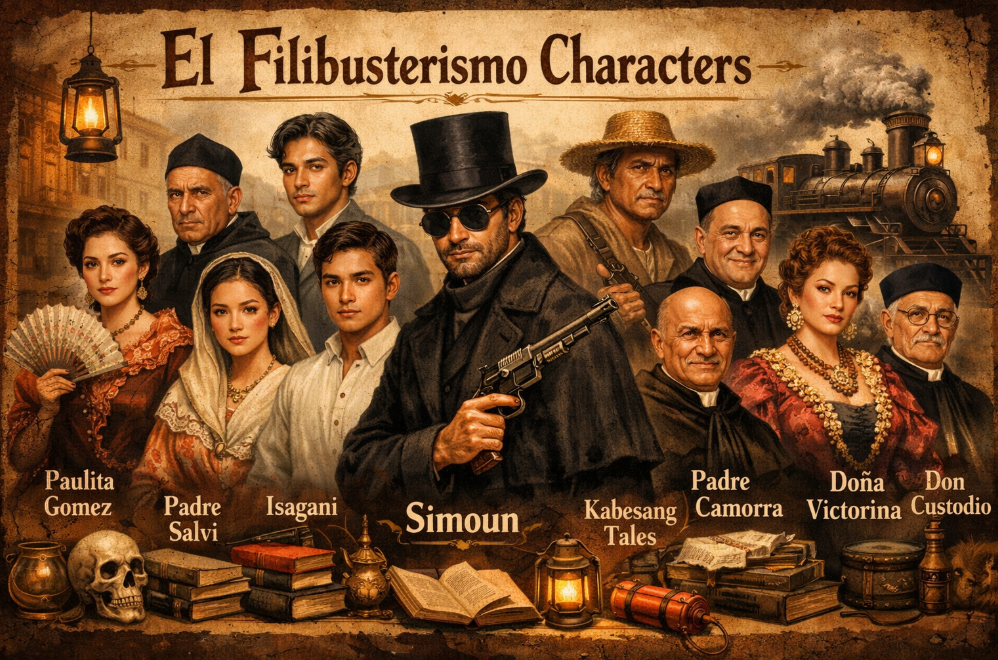
Understanding the characters of El Filibusterismo, the 1891 novel by José Rizal, is essential for literature enthusiasts and anyone interested in Philippine history, social reforms, and revolutionary ideas. In 2026, with renewed focus on classic literature in education and media, examining each character’s personality and role offers valuable insights into human behavior, leadership, and social dynamics. This guide provides a comprehensive, updated look at the main and supporting characters, their motivations, journeys, and continued relevance today.
Highlights Table of El Filibusterismo Characters
| Character | Role | Personality Traits | Modern Relevance |
|---|---|---|---|
| Simoun | Revolutionary Mastermind | Cunning, strategic, vengeful | Leadership ethics, moral ambiguity |
| Basilio | Idealistic Student | Compassionate, resilient, principled | Education and social reform |
| Isagani | Passionate Poet | Romantic, courageous, loyal | Youth activism and cultural pride |
| Juli | Symbol of Innocence | Gentle, loyal, courageous | Gender awareness, empathy |
| Padre Camorra | Corrupt Priest | Greedy, manipulative, immoral | Authority accountability |
| Kabesang Tales | Tragic Farmer | Honest, hardworking, proud | Social justice, rural struggles |
| Dona Victorina | Pretentious Social Climber | Vanity-driven, superficial | Cultural identity, societal pressures |
| Placido | Reluctant Scholar | Intelligent, cautious, frustrated | Educational reform, student advocacy |
Simoun – The Mastermind with a Dark Mission
Simoun, the central figure of El Filibusterismo, is the alter ego of Crisostomo Ibarra from Noli Me Tangere. He returns to the Philippines as a wealthy jeweler but carries a secret: he is plotting a revolutionary movement to overthrow the oppressive Spanish regime.
Personality and Traits
Simoun embodies intelligence, cunning, and unyielding determination. His experiences in the previous novel shaped his transformation from a hopeful reformist to a vengeful revolutionary. He is charismatic, persuasive, and strategic, often manipulating people and situations to achieve his objectives. However, his obsession with revenge also makes him tragic; his moral judgment is compromised by his personal vendetta.
Role in the Story
- Orchestrates a nationwide conspiracy against corrupt Spanish officials
- Uses wealth and influence to manipulate the elite and stir rebellion
- Represents the struggle between idealism and vengeance
Relevance in 2026
Simoun’s character resonates in 2026 as a study of leadership, moral ambiguity, and the consequences of unbridled ambition. His journey invites readers to analyze how trauma and injustice shape personal decisions and revolutionary actions.
Basilio – The Idealistic Student
Basilio is a young, diligent student whose life is marked by personal loss and resilience. Unlike Simoun, Basilio represents hope, moral integrity, and intellectual pursuit.
Personality and Traits
- Curious and disciplined, with a strong sense of justice
- Compassionate and empathetic toward others’ suffering
- Determined to pursue education and reform despite societal challenges
Role in the Story
- Serves as a moral contrast to Simoun’s darker ambitions
- Represents the next generation of reformers and intellectuals
- Embodies the struggles of Filipino youth under colonial oppression
Achievements and 2026 Perspective
By the end of the novel, Basilio emerges as a symbol of resilience and ethical leadership. In 2026, his character inspires young readers and students to value education, perseverance, and principled action in social advocacy.
Isagani – The Passionate Poet
Isagani is a passionate and idealistic student, often representing youthful energy and idealism. He is deeply involved in discussions about reforms and education.
Personality and Traits
- Romantic and sensitive, often guided by emotion
- Courageous and vocal about social injustices
- Loyal and selfless, especially in matters of friendship and love
Role in the Story
- Advocates for educational reform and national pride
- Challenges corrupt authorities and defends principles
- Serves as a foil to more cynical characters like Simoun
Significance
Isagani’s fervor highlights the enduring importance of advocacy, youth activism, and cultural pride. In modern contexts, he exemplifies how passion combined with ethical reasoning can drive meaningful social change.
Juli – The Symbol of Innocence and Sacrifice
Juli, the daughter of Kabesang Tales, is a young woman whose life reflects the struggles of Filipino women during colonial times. She is tender-hearted, loyal, and self-sacrificing.
Personality and Traits
- Gentle, kind, and compassionate
- Loyal to her family and loved ones
- Courageous in facing adversity despite personal vulnerability
Role in the Story
- Embodies the suffering caused by social and political oppression
- Her tragic love story with Basilio highlights the human cost of injustice
- Acts as a moral anchor and emotional touchstone for other characters
Relevance
In contemporary discussions of literature and gender, Juli represents resilience, emotional intelligence, and the societal impact on women. Her story encourages empathy and awareness of historical struggles that continue to resonate today.
Padre Camorra – The Corrupt Priest
Padre Camorra is a symbol of clerical corruption and moral hypocrisy. He is one of the antagonists whose actions exemplify the abuse of power in colonial society.
Personality and Traits
- Self-indulgent, greedy, and opportunistic
- Manipulative, using his position to exploit others
- Lacks moral integrity, prioritizing personal gain over justice
Role in the Story
- Exploits women and manipulates parishioners for personal benefit
- Highlights the social and moral decay among some clergy
- Serves as a catalyst for Simoun’s revolutionary anger
Contemporary Perspective
Padre Camorra’s character is studied as an example of systemic abuse of authority. His portrayal invites readers to critically evaluate leadership, ethics, and accountability in both historical and modern contexts.
Kabesang Tales – The Tragic Farmer
Kabesang Tales is a farmer whose life deteriorates due to social injustice, greed, and colonial oppression. He embodies the plight of rural Filipinos and the consequences of corruption.
Personality and Traits
- Honest, hardworking, and principled
- Proud yet vulnerable to systemic injustice
- Becomes hardened by betrayal and loss
Role in the Story
- Represents the struggles of common people under Spanish rule
- Experiences the theft of land and family tragedies
- Illustrates the devastating impact of social inequality
Relevance
Kabesang Tales’ story encourages modern readers to reflect on rural poverty, land rights, and social justice. His experiences offer timeless lessons on resilience, dignity, and the human cost of systemic oppression.
Dona Victorina – The Pretentious Social Climber
Dona Victorina is a comedic yet telling character who seeks status through imitation of European culture, often at the expense of authenticity.
Personality and Traits
- Vanity-driven and superficial
- Obsessed with European customs, ignoring local identity
- Socially ambitious and manipulative
Role in the Story
- Provides satirical commentary on colonial mentality
- Serves as a foil for characters with genuine principles
- Highlights the dangers of pride and social pretense
Modern Interpretation
Dona Victorina is examined as a critique of cultural elitism and identity struggles. Her story resonates with discussions about authenticity, self-perception, and societal pressures.
Placido – The Reluctant Scholar
Placido, a student at the University of Santo Tomas, embodies frustration and helplessness in the face of rigid educational structures and colonial bureaucracy.
Personality and Traits
- Intelligent but cautious, often indecisive
- Discouraged by unfair treatment and rigid rules
- Seeks progress yet struggles with fear of authority
Role in the Story
- Illustrates the challenges of intellectual pursuit under oppression
- Highlights systemic obstacles faced by students and reformers
- Serves as a subtle critique of educational inequality
Relevance
Placido’s character inspires reflection on educational reform, student advocacy, and mental health pressures in academic environments. His story underscores the importance of courage and critical thinking in systemic change.
FAQs
1. Who is the main character of El Filibusterismo?
Simoun, formerly Crisostomo Ibarra, is the central figure plotting a revolution against Spanish rule.
2. What role does Basilio play in the story?
Basilio represents hope, morality, and intellectual pursuit, contrasting with Simoun’s darker ambitions.
3. Why is Juli considered a tragic character?
Juli suffers due to societal oppression, personal loss, and the injustices around her, making her story emotionally powerful.
4. How does Padre Camorra reflect colonial society?
He symbolizes clerical corruption and moral decay, highlighting systemic abuse of power.
5. Which characters represent youth activism in the novel?
Isagani and Basilio reflect the idealism, courage, and social consciousness of young reformers.
6. How relevant are these characters in 2026?
They provide lessons on leadership, justice, resilience, and ethical decision-making, making them timeless educational tools.
Conclusion
The characters of El Filibusterismo are more than fictional figures; they are mirrors of human nature, societal structures, and the quest for justice. From Simoun’s dark ingenuity to Basilio’s steadfast idealism, each character teaches valuable lessons that remain relevant in 2026. Exploring their roles, personalities, and motivations offers readers a rich understanding of historical struggles and timeless moral dilemmas. For students, educators, and literature enthusiasts, these characters provide actionable insights into leadership, ethics, and the enduring power of human resilience.