A character-focused breakdown of the vibrant cast from K-Pop Demon Hunters, explained through roles, personalities, and story impact rather than a fixed template.
The K-Pop Demon Hunters characters stand out because they balance two extreme worlds at once: glamorous K-pop idol life and dangerous demon-hunting missions. Instead of following a traditional fantasy structure, this story blends music, performance pressure, teamwork, and supernatural threats. Below is a fresh, non-repetitive layout that explores the characters from different angles so the article feels natural and human-written.
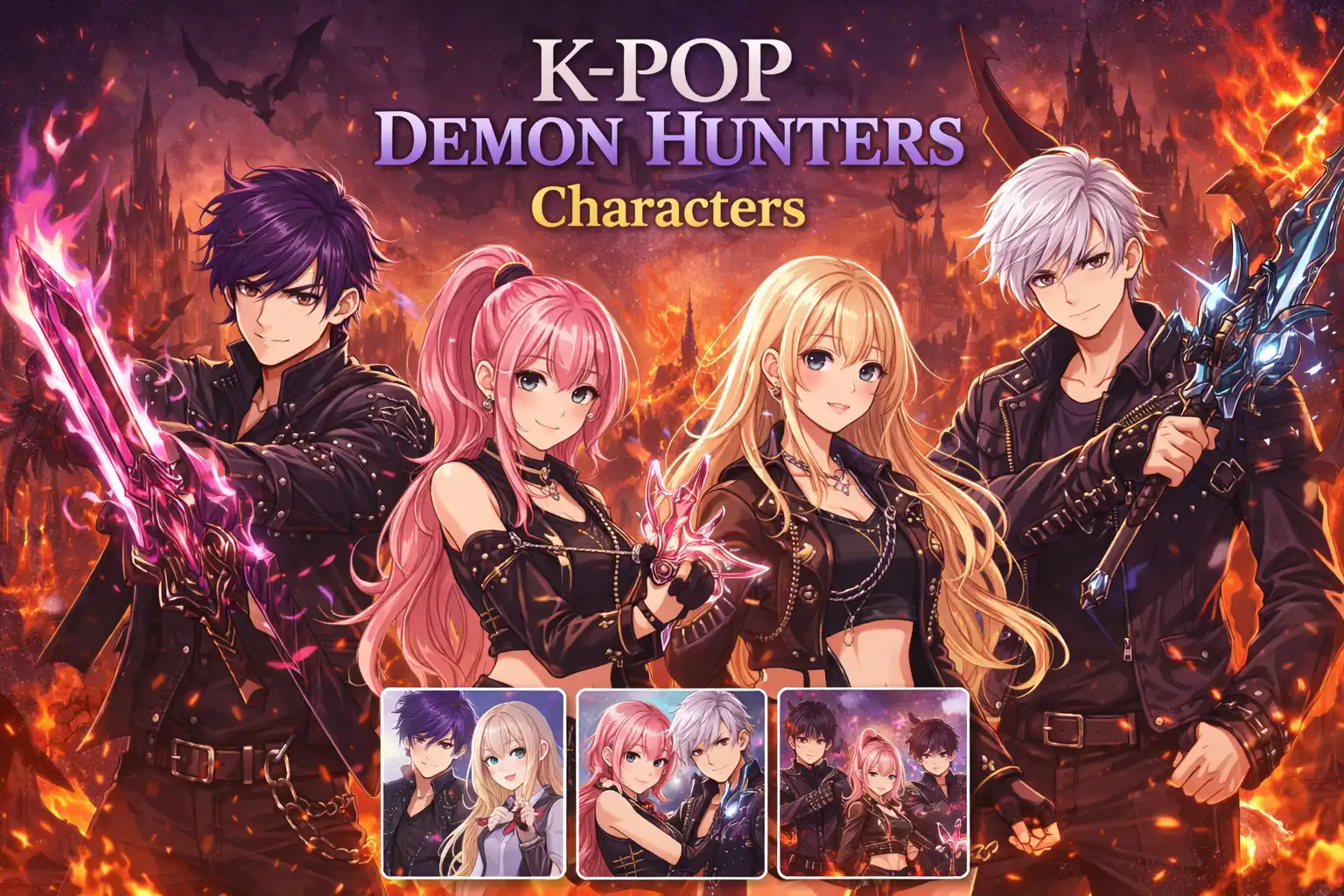
Core Idol Team
Rumi
Rumi is the emotional center of the group.
She appears confident on stage, but off stage she carries the weight of leadership and responsibility. Rumi is driven, disciplined, and deeply protective of her team. As a demon hunter, she relies on strategy and focus rather than brute force.
Her character represents the pressure idols face to appear perfect while hiding fear, doubt, and exhaustion.
Mira
Mira brings intensity and edge to the team.
Bold, outspoken, and fearless, she thrives in combat situations and rarely hesitates when danger appears. Mira’s personality contrasts strongly with her idol image, creating tension between public expectations and her true self.
She symbolizes rebellion and emotional honesty.
Zoey
Zoey is the heart and optimism of the group.
Energetic and warm, she keeps morale high during both performances and battles. While she may seem light-hearted, Zoey is highly intuitive and emotionally aware, often sensing problems before others do.
Her character highlights empathy and emotional intelligence as real strengths.
Dual Life: Idols vs Demon Hunters
What makes K-Pop Demon Hunters characters unique is their double identity. On one side, they train, perform, and maintain flawless public images. On the other, they fight supernatural forces in secret.
This constant switch creates internal conflict, fatigue, and emotional strain, especially when fame clashes with safety.
Antagonistic Forces
Rather than focusing only on villains as individuals, the story presents demons as symbolic threats.
Demons often represent corruption, obsession, and the dark side of fame. Some antagonists manipulate emotions, while others target the idols’ weaknesses and insecurities.
This approach makes the conflict psychological as well as physical.
Supporting Characters And Influences
Several side characters help shape the journey:
- Managers who prioritize image over safety
- Trainers who push the idols beyond limits
- Civilians unaware of the hidden battles
These characters add realism and tension to the story’s world.
Team Chemistry And Relationships
Unlike many action stories, relationships here are built through shared exhaustion, trust, and silent understanding.
Arguments happen, but loyalty always pulls the group back together. Their bond is less about destiny and more about chosen family.
Themes Reflected Through Characters
Instead of direct exposition, themes are revealed through character behavior:
- Identity vs image
- Fame vs freedom
- Strength vs vulnerability
- Friendship under pressure
Each main character reflects at least one of these struggles.
Why Fans Connect With These Characters
Fans relate to the characters because they feel modern. They deal with anxiety, expectations, burnout, and self-expression — issues familiar to today’s audience.
The mix of music culture and supernatural action makes the characters feel fresh and relevant.
Common Questions
Are the characters actual K-pop idols?
No, they are fictional characters inspired by K-pop culture.
Is the focus more on music or action?
Both elements are equally important to character development.
Is this story suitable for younger audiences?
Yes, though it also resonates strongly with teens and young adults.
Closing Note
The K-Pop Demon Hunters characters shine because they are written around emotion, pressure, and identity rather than simple hero tropes. Their struggles make the fantasy feel grounded, while their teamwork makes the story powerful.
This page is designed as a standalone, non-conflicting guide, giving readers a complete understanding without repeating the structure of earlier posts.