If you watched Spider-Man: Across the Spider-Verse and felt overwhelmed by the number of characters, timelines, and emotional turns, you’re not alone. Many viewers struggle to understand who each Spider-person is, what their powers are, and why their stories matter.
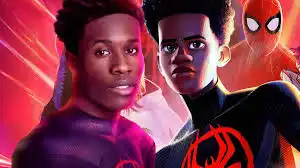
In 2026, with Beyond the Spider-Verse still one of the most anticipated animated films, knowing these characters helps you enjoy the story more deeply. This guide breaks down every major Spider-Verse character in clear sections so you can follow their journeys, understand their motivations, and appreciate how each one shapes the multiverse.
Spider-Verse Characters Overview
| Character | Alias | Universe | Core Strength | Defining Trait |
|---|---|---|---|---|
| Miles Morales | Spider-Man | Earth-1610 | Venom blasts, invisibility | Defies destiny |
| Gwen Stacy | Spider-Woman | Earth-65 | Agility, reflexes | Emotional resilience |
| Miguel O’Hara | Spider-Man 2099 | Earth-928 | Strength, tech | Obsessive protector |
| Peter B. Parker | Spider-Man | Earth-616B | Experience | Hopeful mentor |
| Pavitr Prabhakar | Spider-Man India | Earth-50101 | Speed, optimism | Cultural pride |
| Hobie Brown | Spider-Punk | Earth-138 | Anarchist tactics | Rule-breaker |
| Jessica Drew | Spider-Woman | Earth-332 | Combat mastery | Pragmatic leader |
| Mayday Parker | Spider-Baby | Earth-616B | Symbolic presence | Future hope |
Miles Morales: The Spider-Man Who Refused Fate
Miles Morales is a Brooklyn teenager who becomes Spider-Man after being bitten by a genetically altered spider. At first, he doubts himself and struggles to balance school, family, and hero responsibilities. Over time, he grows into a confident protector of his city and the people he loves.
Role in Across the Spider-Verse
Miles discovers that “canon events” are tragedies every Spider-Man is meant to experience, including the future death of his father. Instead of accepting this destiny, he chooses to fight it, putting him in direct conflict with the Spider Society and its leader, Miguel O’Hara.
Powers and Abilities
Miles has traditional Spider-Man powers along with invisibility and bio-electric venom blasts, making him one of the most powerful Spider variants in the multiverse.
Why Miles Matters in 2026
By 2026, Miles Morales is Marvel’s most influential Spider-Man. He represents freedom of choice, cultural diversity, and emotional intelligence in modern superhero storytelling.
Gwen Stacy: The Spider-Woman Searching for Belonging
Gwen Stacy lives in a world where Peter Parker died and her father hunts Spider-Woman without knowing she is his daughter. This secret isolates her emotionally and forces her to move between dimensions.
Role in Across the Spider-Verse
Gwen reconnects with Miles but hides the truth about canon events and the Spider Society. Her guilt eventually pushes her to confront her father and leave Miguel’s organization.
Character Growth
Gwen evolves from a lonely traveler into a confident leader who builds her own Spider team to rescue Miles.
Why Gwen Matters in 2026
Gwen symbolizes emotional healing, independence, and modern female heroism. She remains one of the most admired Spider-Verse characters worldwide.
Miguel O’Hara: The Spider-Man Who Feared Chaos
Miguel O’Hara once replaced another version of himself in a different universe. When that universe collapsed, killing his adopted family, Miguel became obsessed with preserving reality at all costs.
Role in Across the Spider-Verse
As leader of the Spider Society, Miguel enforces canon events and hunts Miles for disrupting them. He believes saving individuals risks destroying entire universes.
Powers and Abilities
Miguel possesses enhanced strength, claws, advanced technology, and accelerated healing, making him physically stronger than most Spider-Men.
Why Miguel Matters in 2026
Miguel is now seen as one of Marvel’s most complex anti-heroes, representing how trauma can turn protection into control.
Peter B. Parker: The Spider-Man Who Chose Family
Peter B. Parker returns as a married man and father to baby Mayday. Unlike his earlier depressed version, he is now emotionally stable and hopeful.
Role in Across the Spider-Verse
Peter initially supports Miguel but grows uncomfortable with sacrificing lives for canon events. He eventually sides with Gwen and Miles.
Why Peter Matters in 2026
Peter proves Spider-Man can have love, family, and responsibility at the same time, redefining what heroism looks like.
Pavitr Prabhakar: The Optimist Who Learned Loss
Pavitr is Spider-Man in Mumbattan, a fusion of Mumbai and Manhattan. He starts off confident, joyful, and fearless.
Role in Across the Spider-Verse
Miles saves Pavitr’s girlfriend’s father during what should have been a canon event. This nearly destroys Pavitr’s universe and forces him to understand the real cost of heroism.
Why Pavitr Matters in 2026
Pavitr expanded Spider-Man representation globally and showed that optimism can survive even after tragedy.
Hobie Brown: The Spider-Punk Who Broke the Rules
Hobie Brown is a punk rock Spider-Man who rejects authority, hierarchy, and destiny. His universe reflects rebellion and resistance.
Role in Across the Spider-Verse
Hobie secretly sabotages Miguel’s systems and helps Gwen and Miles escape. He encourages independent thinking instead of blind obedience.
Why Hobie Matters in 2026
Hobie represents youth rebellion, freedom, and anti-control movements, making him one of the most culturally impactful Spider variants.
Jessica Drew: The Veteran Spider-Woman
Jessica Drew is a pregnant Spider-Woman who rides a motorcycle and works as a high-ranking enforcer for the Spider Society.
Role in Across the Spider-Verse
Though loyal to Miguel at first, she eventually supports Gwen’s decision to rescue Miles.
Why Jessica Matters in 2026
Jessica challenges stereotypes around pregnancy, strength, and leadership in superhero storytelling.
Mayday Parker: The Symbol of the Future
Mayday is Peter B. Parker’s infant daughter. Though not active in combat, her presence represents hope and continuity.
Why Mayday Matters in 2026
She symbolizes that Spider-Man’s future does not have to be lonely or tragic. Heroism and family can coexist.
Spider Society: The Organization That Policed Destiny
The Spider Society monitors multiverse anomalies and enforces canon events under Miguel’s leadership.
Conflict with Miles
Their belief in destiny clashes directly with Miles’ belief in saving everyone, creating the film’s core tension.
Why the Spider Society Matters in 2026
The organization represents the dangers of rigid systems, fear-based leadership, and sacrificing individuals for the so-called greater good.
Cultural Impact of Across the Spider-Verse Characters
By 2026, these characters have reshaped superhero storytelling. Miles Morales stands for youth empowerment and cultural identity. Gwen Stacy represents emotional honesty and leadership. Miguel O’Hara fuels debates about authority versus compassion.
The film’s animation style influences studios worldwide, while cosplay, gaming adaptations, and merchandise continue to grow. Across the Spider-Verse proved superhero stories can be visually bold, emotionally deep, and socially meaningful.
FAQ’s
Who is the main character in Across the Spider-Verse?
Miles Morales is the main protagonist and emotional core of the film.
Is Miguel O’Hara a villain?
No. He is an anti-hero whose trauma-driven decisions place him against Miles.
Why is Gwen Stacy important?
She becomes the emotional bridge between Miles and the Spider Society and later forms her own rescue team.
What makes Spider-Punk different?
Hobie Brown rejects authority and destiny, helping others escape rigid systems.
Will these characters return in Beyond the Spider-Verse?
Yes. All major characters are expected to return in the final film.
Spider-Man: Across the Spider-Verse succeeds because its characters feel real beneath their masks. Miles teaches us to challenge fate. Gwen shows how healing creates leadership. Miguel warns against letting fear replace compassion. Hobie proves rebellion can be heroic. Peter reminds us that hope grows stronger with time.
In 2026, these characters are not just animated heroes. They are cultural symbols of choice, resilience, and transformation. Understanding them does not just improve your viewing experience. It changes how you see heroism itself.